
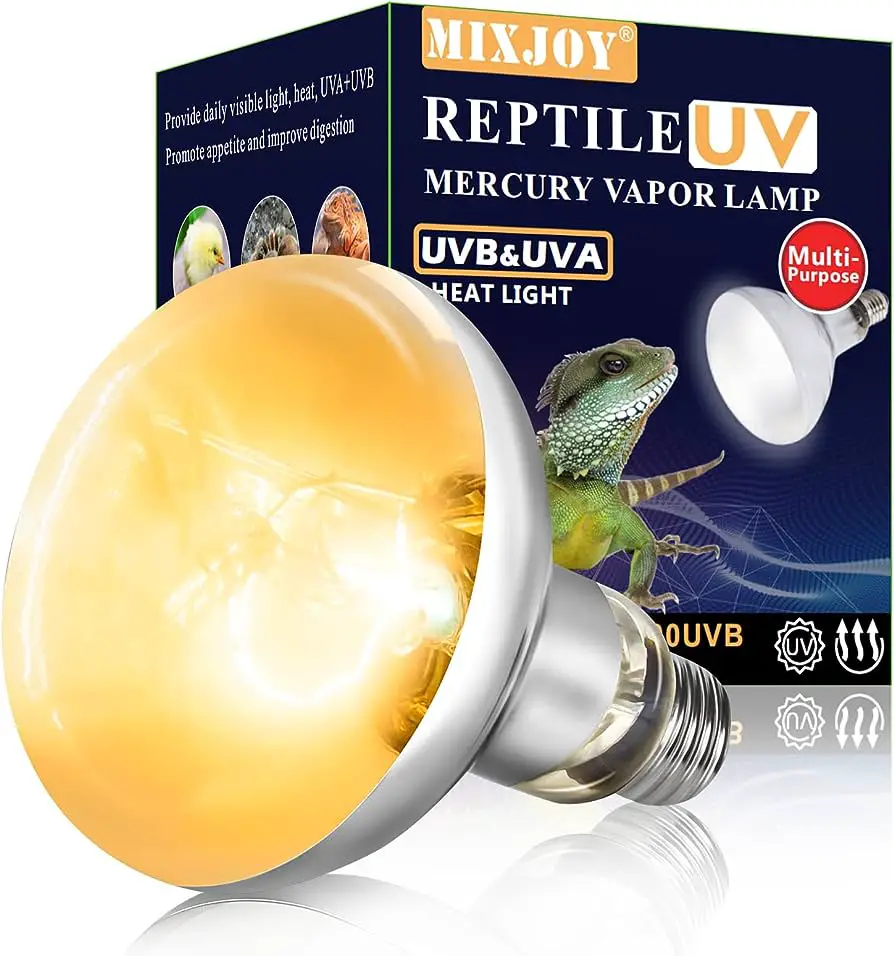
Full spectrum lights do not have sufficient UVB for human usage. These lights provide the equivalent of one minute of natural sunlight every eight hours but do not produce UVB light necessary for vitamin D synthesis.
Understanding Full Spectrum Lights
Full spectrum lights provide a wide range of light wavelengths, including UVB, which is important for reptiles’ health. They mimic natural sunlight and help promote vitamin D synthesis in reptiles.
:
Full spectrum lights are lighting devices that emit a wide range of wavelengths, similar to natural sunlight. These lights are designed to mimic the complete spectrum of light, including ultraviolet (UV) radiation, which is often missing in traditional light sources.
Understanding the benefits and whether full spectrum lights mimic natural sunlight is essential for making informed decisions about lighting choices.
What Are Full Spectrum Lights?
- Full spectrum lights emit a broad range of wavelengths, including visible light, infrared light, and ultraviolet (UV) radiation.
- These lights are designed to replicate the natural light spectrum, providing a more balanced and natural lighting environment.
- Unlike traditional lights, full spectrum lights contain UVB, which is essential for promoting vitamin D production and providing other health benefits.
- Full spectrum lights can be used for various purposes, including lighting for indoor spaces, plant growth, and reptile habitats.
Benefits Of Using Full Spectrum Lights:
- Improved mood and mental well-being: Full spectrum lights can help alleviate symptoms of seasonal affective disorder (SAD) by simulating natural sunlight, leading to better mood and increased productivity.
- Enhanced color rendering: Full spectrum lights provide accurate color representation, making them ideal for artists, photographers, and graphic designers who rely on precise color perception.
- Increased energy and focus: Exposure to full spectrum lights can help regulate circadian rhythms, leading to improved energy levels, alertness, and concentration.
- Better plant growth: Full spectrum lights mimic natural sunlight, enabling photosynthesis and promoting healthy plant growth indoors, especially in areas with insufficient natural light.
- UVB benefits for reptiles: Full spectrum lights with UVB enable reptiles to synthesize vitamin D, which is crucial for their overall health, growth, and bone development.
Do Full Spectrum Lights Mimic Natural Sunlight?
- Yes, full spectrum lights mimic natural sunlight by emitting a broad range of wavelengths that closely resemble the sun’s light spectrum.
- Full spectrum lights contain UVB, which is missing in most artificial light sources but is present in natural sunlight.
- However, it’s essential to note that while full spectrum lights provide a similar light spectrum, they do not replicate the intensity of the sun’s rays.
- Therefore, although full spectrum lights offer many benefits, they are not a substitute for spending time outdoors and getting natural sunlight exposure.
Remember, when selecting full spectrum lights, it’s crucial to choose reputable brands that adhere to safety standards and provide the appropriate levels of UVB for specific applications, such as reptile lighting or vitamin D synthesis.

Credit: www.nytimes.com
The Science Behind Uvb Lights
Full spectrum lights do contain UVB lights, which is essential for promoting vitamin D production in reptiles. These lights mimic natural sunlight and provide the necessary UVB wavelengths for reptiles’ overall health and well-being.
What Is Uvb Light?
- UVB light stands for Ultraviolet B light.
- It has a shorter wavelength and higher energy compared to UVA light.
- UVB light is naturally emitted by the sun, but can also be produced artificially in full spectrum lights.
- It plays a crucial role in various biological processes for plants, animals, and humans.
Importance Of Uvb Light For Plants And Animals:
- UVB light is essential for plants as it helps in the production of vitamin D and triggers various physiological processes.
- For animals, UVB light is necessary for the synthesis of vitamin D, which is important for bone health.
- UVB light also helps in regulating their circadian rhythm and enhances their overall well-being.
How Does Uvb Light Affect Humans?
- Exposure to UVB light helps the human body produce vitamin D, which is necessary for maintaining healthy bones and teeth.
- It also plays a role in boosting the immune system and improving mood.
- However, excessive exposure to UVB light can lead to harmful effects, such as sunburn, premature aging of the skin, and an increased risk of skin cancer.
- It is important to strike a balance between getting adequate UVB exposure for vitamin D synthesis and protecting the skin from excessive radiation.
Uvb In Full Spectrum Lights
UVB is a component found in full spectrum lights, providing a similar effect to natural sunlight. These lights emit UVB rays that are beneficial for plants and reptiles, allowing them to thrive in indoor settings.
Are Full Spectrum Lights A Source Of Uvb?
Full spectrum lights are known for providing a wide range of light wavelengths, including ultraviolet (UV) light. UV light is categorized into three types: UVA, UVB, and UVC. In the case of full spectrum lights, they do emit a small amount of UVB in addition to UVA and visible light.
However, it’s important to note that the UVB output from full spectrum lights is significantly lower than natural sunlight.
Here are some key points to consider about UVB in full spectrum lights:
- UVB levels in full spectrum lights: Full spectrum lights may contain a minimal amount of UVB radiation, but it is generally not sufficient for proper reptile health. The UVB output of these lights is much lower compared to specialized reptile lighting options, such as UVB bulbs designed specifically for reptile terrariums.
- Comparing UVB levels in full spectrum lights and natural sunlight: Natural sunlight is considered the best source of UVB for reptiles. It provides a balanced and appropriate amount of UVB that enables reptiles to synthesize vitamin D3, which is crucial for their overall health and calcium metabolism. Full spectrum lights may have some UVB, but it’s important to understand that the intensity and quality of UVB in natural sunlight cannot be replicated by these lights.
- Do full spectrum lights provide enough UVB for reptiles? : While full spectrum lights may offer a small amount of UVB, they are not sufficient to meet the UVB requirements of reptiles. Reptiles need UVB exposure to prevent health issues like metabolic bone disease. It is highly recommended to use specialized UVB lighting options, like reptile-specific UVB bulbs, to ensure that reptiles receive an adequate amount of UVB.
While full spectrum lights emit some UVB radiation, it is not enough to meet the UVB needs of reptiles. Specialized UVB lighting options designed specifically for reptiles are essential for maintaining optimal reptile health and preventing potential health issues.
Choosing The Right Full Spectrum Lights
Choosing the right full spectrum lights can be a daunting task, especially when considering whether or not they have UVB. However, it is important to note that not all full spectrum lights have UVB, so it is necessary to carefully read the product description before making a purchase.
:
Full spectrum lights are an excellent option for those looking to mimic natural sunlight indoors. However, when selecting full spectrum lights, it is essential to consider various factors to ensure you choose the right one. Here are some factors to consider when selecting full spectrum lights:
- Light intensity: Look for full spectrum lights that provide high light intensity, as this ensures that your plants or pets receive adequate light for their needs.
- Color temperature: Different full spectrum lights have different color temperatures, which can affect the overall ambiance of your space. Consider the mood you want to create and choose a color temperature accordingly.
- UVB output: Some full spectrum lights contain UVB radiation, which is vital for reptiles and birds. However, not all full spectrum lights have UVB output. Determine whether you need UVB-containing lights before making your purchase.
Uvb Output In Different Types Of Full Spectrum Lights:
UVB radiation is essential for reptiles and birds as it helps them synthesize vitamin D3 and maintain good health. Here’s an overview of the UVB output in different types of full spectrum lights:
- Fluorescent full spectrum lights: Some fluorescent full spectrum lights have UVB output; however, the level of UVB radiation varies depending on the brand and type. It is crucial to check the UVB output specified by the manufacturer before purchasing.
- LED full spectrum lights: LED lights are known for their energy efficiency and longevity. While LED full spectrum lights offer a wide range of wavelengths, not all LEDs produce UVB radiation. Look for specific LED lights designed with UVB output if you require it.
- Hybrid full spectrum lights: Hybrid lights combine both fluorescent and LED technologies, providing a balanced spectrum of light. It is essential to check the UVB output specifications of hybrid lights to ensure they meet your requirements.
Recommended Brands For Uvb-Containing Full Spectrum Lights:
If you are in need of full spectrum lights that contain UVB radiation, it is important to choose a reputable brand. Here are some recommended brands known for their UVB-containing full spectrum lights:
- Giangarden: Their full spectrum reptile light is designed specifically for reptiles and offers UVB output for vitamin D3 synthesis.
- Zilla: The Pro Sol Customizable Series by Zilla offers customizable full spectrum lighting, including options with UVB output.
- Zoo Med: Known for their extensive range of reptile lighting, Zoo Med offers various UVB-containing full spectrum lights, such as the Reptisun LED UVB Terrarium Hood and the ReptiSun UVB/LED Light.
Remember to always verify the UVB output specified by the manufacturer before purchasing any brand of UVB-containing full spectrum lights.
By considering factors such as light intensity, color temperature, and UVB output, you can make an informed decision when choosing the right full spectrum lights for your needs. Don’t compromise on quality and ensure you select reputable brands when opting for UVB-containing lights.
Frequently Asked Questions Of Do Full Spectrum Lights Have Uvb
Are Full Spectrum Led Lights Uv?
Full spectrum LED lights do not emit UV light.
What Spectrum Is Uvb Light?
UVB light falls within the ultraviolet spectrum and is not produced by full spectrum lights.
Do Full Spectrum Lights Work For Reptiles?
Yes, full spectrum lights provide UVB for reptiles and are necessary for their overall health and well-being.
Do You Get Vitamin D From Full Spectrum Light Bulbs?
Full spectrum light bulbs do not produce enough UVB light to generate vitamin D in the body.
Conclusion
Full spectrum lights are often hailed for their ability to mimic natural sunlight and provide a wide range of wavelengths, including UVB. However, it’s important to note that while full spectrum lights may contain some UVB, the intensity is typically much lower compared to specialized reptile UVB lights.
This means that if you’re looking to provide the optimal UVB exposure for your reptile, a dedicated reptile UVB light is still recommended. While full spectrum lights can offer some benefits, such as enhancing plant growth and providing a more natural lighting environment, they may not provide the necessary UVB intensity required for reptiles to synthesize vitamin D effectively.
Therefore, if you want to ensure the health and well-being of your reptile, it’s best to invest in a dedicated reptile UVB light that can provide the specific UVB requirements they need. Full spectrum lights do contain some UVB, but the intensity is significantly lower compared to specialized reptile UVB lights.
Therefore, for optimal reptile health, it’s recommended to use a dedicated reptile UVB light to ensure they receive the required UVB exposure.