
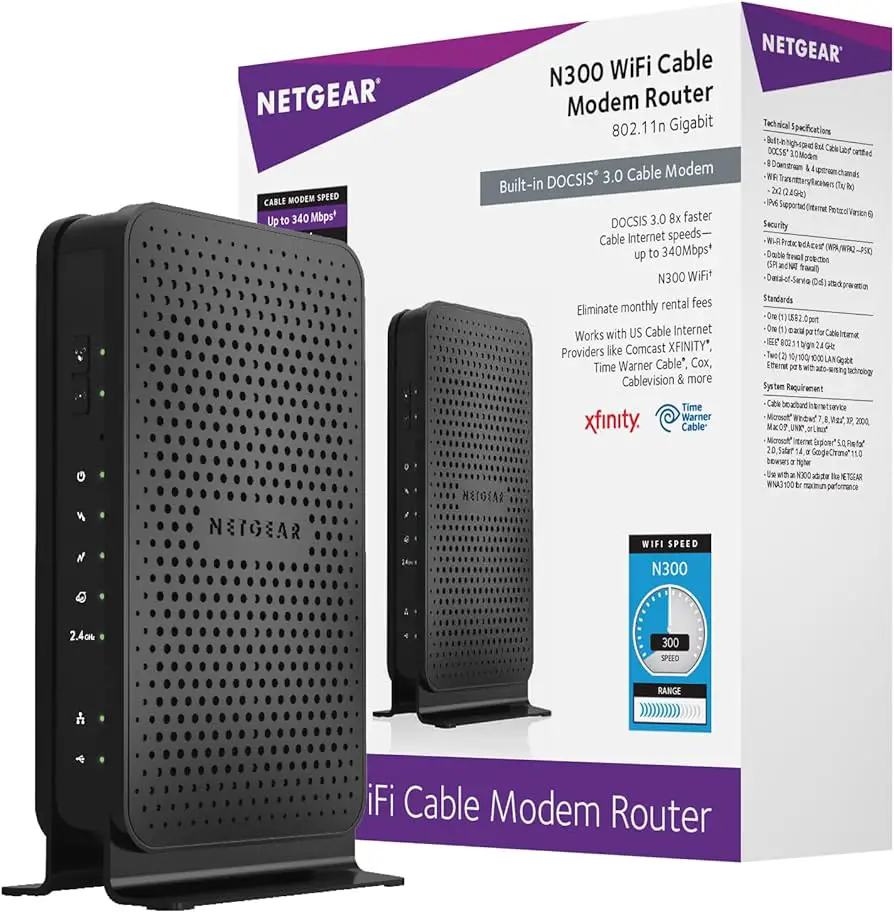
To change the spectrum from 5G to 2.4G on your Spectrum router, sign in to your Spectrum router account using your ADMIN credentials. Select the NETWORK tab, then choose WIRELESS.
Under SSID selection, click YES and select APPLY. Changing the spectrum from 5G to 2. 4G on your Spectrum router can provide a different frequency range for your wireless network. This can be useful for optimizing network performance and addressing connectivity issues, depending on your devices and their compatibility with different frequencies.
By following a few simple steps, you can switch the spectrum on your Spectrum router to enhance your Wi-Fi experience. We will guide you through the process of changing the spectrum from 5G to 2. 4G on your Spectrum router. So, let’s get started and improve your wireless network performance.

Credit: www.ekahau.com
Understanding Spectrum Change
Understanding Spectrum Change involves the transition from 5G to 2. 4G frequencies in wireless networks. Easily connect to your wireless network and change the frequency settings on your Spectrum router to optimize your internet connection.
:
- Spectrum change refers to the transition from using the 5G frequency to the 2.4G frequency for wireless connections.
- This change is significant as it impacts the connection speed and overall performance of devices that rely on wireless connectivity.
What Is Spectrum Change?
- Spectrum change refers to the switch from using the 5G frequency to the 2.4G frequency for wireless connections.
- It involves adjusting the frequency at which devices transmit and receive data wirelessly.
Importance Of Spectrum Change For Connection Speed:
- Spectrum change is crucial for improving connection speed and reliability.
- The 5G frequency offers faster data transfer rates and lower latency, making it ideal for applications that require high bandwidth.
- The 2.4G frequency, on the other hand, has a longer range and better penetration through obstacles, but it offers slower data transfer rates compared to 5G.
- By changing the spectrum from 5G to 2.4G, devices can maintain a stable connection even at a greater distance from the router.
Different Frequencies: 5G Vs 2.4G:
- 5G Frequency:
- Faster data transfer rates: 5G offers higher bandwidth, enabling faster downloads and uploads.
- Lower latency: With reduced delays in data transmission, 5G provides a smoother and more responsive user experience.
- Limited range: 5G signals have a shorter range and can be easily obstructed by walls or other objects.
- 2.4G Frequency:
- Longer range: The 2.4G frequency can cover a larger area and is less prone to interference.
- Better signal penetration: Signals at 2.4G can easily pass through walls and objects, ensuring a more reliable connection.
- Slower data transfer rates: Although the range is superior, the 2.4G frequency offers slower internet speed compared to 5G.
By understanding the spectrum change from 5G to 2. 4G, users can make informed decisions about optimizing their connection speed and performance. Whether it’s enjoying faster downloads with 5G or achieving a stable connection through obstacles with 2. 4G, being familiar with these frequencies empowers users to take full advantage of their wireless devices.
Factors Affecting Connection Speed
Factors affecting connection speed can include changes in spectrum from 5G to 2. 4G. This transition can impact the performance and reliability of wireless networks, potentially resulting in slower speeds and decreased signal strength.
Having a fast and reliable internet connection can greatly enhance your online experience. However, several factors can impact your connection speed, ultimately affecting the overall performance. Let’s explore these factors in detail:
Interference And Signal Strength:
- Interference from other electronic devices: Wi-Fi signals can be disrupted by other devices, such as cordless phones, microwaves, and baby monitors, operating on the same frequency range.
- Physical barriers: Thick walls, floors, and other objects can weaken the Wi-Fi signal, causing a reduction in connection speed.
- Distance from the router: The further you are from the Wi-Fi router, the weaker the signal becomes, resulting in slower connection speeds.
- Placement of the router: The position of the router within your home or office can impact signal strength. Placing the router in a central location can help ensure better coverage and faster speeds.
Distance From The Router:
- Each Wi-Fi router has a limited range, beyond which the signal strength drops significantly. As you move farther away from the router, the signal weakens, ultimately affecting your connection speed.
- Thick walls, large furniture, and other physical barriers can further reduce the signal strength and increase the distance required to maintain a strong connection.
- The proximity to other Wi-Fi networks can also interfere with your connection speed, especially if multiple networks are broadcasting on the same channel.
Number Of Connected Devices:
- The more devices connected to your Wi-Fi network, the more the bandwidth is shared among them. This can lead to slower connection speeds for each device.
- Bandwidth-intensive activities, such as video streaming, online gaming, or downloading large files, require a significant portion of the available bandwidth. When multiple devices engage in such activities simultaneously, the connection speed can be significantly affected.
- It is important to note that older devices might not support the latest Wi-Fi standards and can slow down the entire network when connected.
When it comes to connection speed, factors such as interference and signal strength, distance from the router, and the number of connected devices all play a crucial role. By optimizing these factors, you can ensure a faster and more reliable internet connection for a seamless online experience.
Boosting Connection Speed By Switching To 2.4G
Boost your connection speed by switching to 2. 4G. Experience faster internet browsing and smoother streaming with this spectrum change from 5G to 2. 4G.
If you’re looking to enhance your internet connection speed, switching from 5G to 2. 4G can make a significant difference. The 2. 4G frequency band offers several benefits over the 5G band, including better coverage and compatibility with a wider range of devices.
In this section, we will explore how to switch from 5G to 2. 4G, the benefits of using 2. 4G, and how to adjust your router settings for optimal speed.
How To Switch From 5G To 2.4G:
- Access your router settings by entering the default gateway in your web browser’s address bar.
- Locate the wireless settings section and select the network frequency or band.
- Look for an option to switch from 5G to 2.4G and enable it.
- Save the changes and restart your router for the new settings to take effect.
Switching to 2. 4G is a simple process that can help improve your connection speed, especially if you’re experiencing weak signals or compatibility issues with certain devices.
Benefits Of Using 2.4G:
- Better coverage: The 2.4G frequency band has a longer wavelength, which allows it to penetrate through walls and obstacles more effectively. This results in a wider coverage area, ensuring a strong and stable connection throughout your home or office.
- Compatibility: Many older devices, such as older smartphones, gaming consoles, and smart home devices, only support the 2.4G frequency band. By switching to 2.4G, you ensure compatibility with all your devices, allowing them to connect seamlessly to your network.
- Less interference: The 2.4G band is less crowded compared to the 5G band, which means there is less interference from neighboring Wi-Fi networks or other electronic devices. This helps maintain a consistent and reliable connection without experiencing slowdowns or dropouts.
Switching to 2. 4G not only improves your connection speed but also provides a more reliable and stable network experience, especially in areas with multiple Wi-Fi networks or interference.
Adjusting Router Settings For Optimal Speed:
- Update firmware: Ensure that your router’s firmware is up to date. Manufacturers often release firmware updates that improve the router’s performance and address any known issues. Check your router’s manual or the manufacturer’s website for instructions on how to update the firmware.
- Channel selection: In crowded areas with multiple Wi-Fi networks, choosing the right channel can improve your connection speed. Use a Wi-Fi analyzer tool to identify the least congested channel and manually set it in your router settings.
- Adjust transmit power: Some routers allow you to adjust the transmit power, which can optimize the signal strength and range. Experiment with different power levels to find the optimal setting for your specific environment.
- Positioning: Place your router in a central location, away from obstructions and electronic devices that may interfere with the Wi-Fi signal. Elevating the router and minimizing physical barriers can help improve the signal strength and overall speed.
By following these router settings adjustments, you can maximize the speed and performance of your 2. 4G network, ensuring a seamless browsing and streaming experience.
Switching from 5G to 2. 4G is a practical solution to boost your connection speed and improve overall network performance. Take advantage of the benefits offered by the 2. 4G frequency band and optimize your router settings for optimal speed.
Enjoy faster and more reliable internet access across all your devices.
Troubleshooting Connection Issues
If you’re experiencing connection issues with your Spectrum router, you can troubleshoot by changing the frequency from 5G to 2. 4G. This can help improve your signal quality and stability. Simply access your Spectrum router account, navigate to the NETWORK tab, select WIRELESS, and change the SSID selection to YES.
Apply the changes and enjoy a better connection.
Common Problems With Spectrum Change:
- Slow connection speed: One of the common issues users face after changing their spectrum from 5G to 2.4G is a decrease in connection speed. This can be frustrating, especially when you rely on fast internet for streaming, gaming, or other activities.
- Signal interference: Another problem is signal interference, which can occur due to various factors such as walls, other electronic devices, or neighboring networks. This interference can weaken the signal strength and result in a poor connection.
- Limited range: The 2.4G spectrum has a limited range compared to 5G, which means that you may experience a weaker signal or connection drops if you move further away from the router. This can be an issue if you have a large home or office space.
Tips For Improving Connection Speed:
- Find the optimal router placement: Experiment with different router placements in your home or office to find the best position that provides a strong and stable signal. Avoid placing the router near walls or objects that can obstruct the signal.
- Reduce signal interference: Minimize signal interference by keeping your router away from other electronic devices and appliances that emit wireless signals. Additionally, try switching to a less crowded channel to avoid interference from neighboring networks.
- Use a WiFi extender or repeater: If you have a large space or multiple floors, consider using a WiFi extender or repeater to extend the range of your WiFi signal. This can help eliminate dead zones and improve overall connection quality.
- Upgrade your router: If you’re still experiencing connection issues, it may be time to upgrade your router. Look for a router that supports the 2.4G spectrum and offers advanced features like beamforming, which can improve signal strength and coverage.
Additional Resources And Support Options:
- Spectrum Support: Visit the [Spectrum Support](https://www.spectrum.net/support/) website for troubleshooting guides, FAQs, and contact information for technical support.
- YouTube Tutorials: Check out online tutorials on platforms like YouTube, where you can find step-by-step guides on connecting to your wireless network and resolving common connection issues.
- Online Forums: Engage with the Spectrum community and other users facing similar connection problems on forums such as [Spectrum Community](https://community.spectrum.net/). Share your concerns and seek advice from experienced users.
Remember, if you’re still unable to resolve your connection issues, it’s always best to consult with Spectrum customer support or a professional technician for further assistance.
Frequently Asked Questions On Spectrum Change 5G To 2.4G
Can I Change My Wifi From 5Ghz To 2.4 Ghz Spectrum?
Yes, you can change your WiFi from 5GHz to 2. 4GHz spectrum. Log in to your router account, go to the wireless settings, select 2. 4GHz, and apply the changes.
Can I Use 2.4 G And 5G At The Same Time?
Yes, you can use both 2. 4 GHz and 5 GHz frequencies simultaneously on a dual-band router.
How Do I Separate 2.4 And 5G?
To separate 2. 4 and 5G, follow these steps: 1. Sign in to your Spectrum router account using your admin credentials. 2. Under the NETWORK tab, select WIRELESS. 3. Under the SSID selection, choose YES. 4. Click APPLY. Make sure you log in to all your devices using the new Wi-Fi credentials.
From the settings menu, turn on the device’s Wi-Fi and connect to the desired frequency (2. 4 or 5G).
Is 2.4 Ghz Going Away?
No, 2. 4 GHz is not going away. It is still a commonly used frequency for wireless devices.
Conclusion
In the ever-evolving world of technology, the transition from 5G to 2. 4G spectrum has become a topic of interest for many. This change brings with it a range of benefits and considerations. The shift to 2. 4G spectrum offers improved compatibility with a wider range of devices, ensuring a seamless and efficient connectivity experience.
Additionally, this change allows for increased coverage and reach, making it an attractive option for users in larger spaces. However, it’s important to note that the 2. 4G spectrum may be more susceptible to interference from other electronic devices, potentially impacting the overall performance.
It is crucial for users to understand their specific needs and consider all factors before making the switch. With careful evaluation and implementation, the transition to 2. 4G spectrum can enhance the connectivity experience and cater to the diverse needs of users.
Stay informed and make the right choice for your wireless network.