
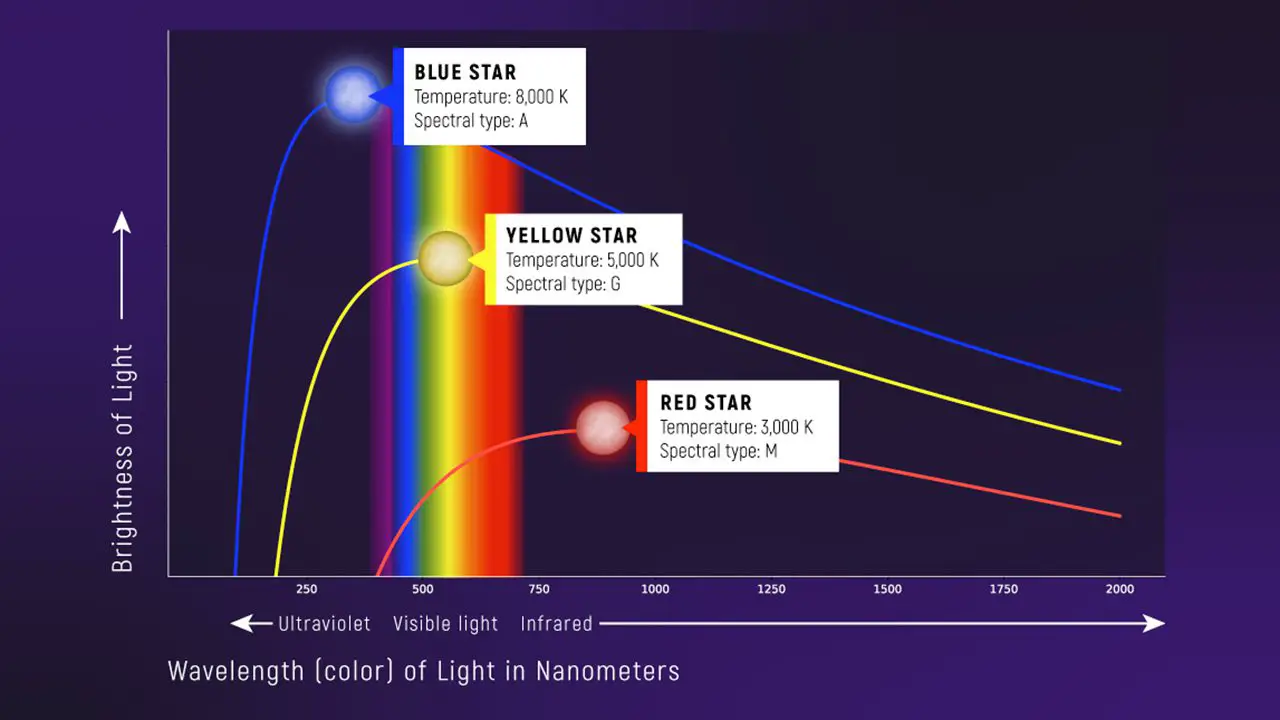
The longest wavelength within the visible spectrum is red light. This is determined by the acronym VIBGYOR, with red having the longest wavelength and violet having the shortest.
Red light has the lowest frequency and the least energy among visible light colors. The visible spectrum is the range of wavelengths of light that can be seen by the human eye.
Credit: www.2020mag.com
Exploring The Visible Spectrum
The longest wavelength within the visible spectrum is red light. Red light has the lowest frequency and the highest wavelength among the colors of visible light.
The visible spectrum is a fascinating and mesmerizing concept that allows us to experience the world through light. From vibrant rainbows to the colors of a sunset, the visible spectrum encompasses the range of colors that our eyes can detect.
Let’s dive deeper into exploring the visible spectrum and understand its components and the significance of wavelengths within it.
What Is The Visible Spectrum?
The visible spectrum refers to the range of colors that can be seen by the human eye. It consists of light waves with specific wavelengths that elicit different visual sensations. The visible spectrum is composed of various colors, including red, orange, yellow, green, blue, indigo, and violet.
Each color represents a different wavelength, with red having the longest wavelength and violet having the shortest.
Components of the visible spectrum:
- Red: This color has the longest wavelength within the visible spectrum. It is often associated with warmth and energy.
- Orange: With a slightly shorter wavelength, orange is known for its vibrancy and enthusiasm.
- Yellow: Yellow light falls in between red and green in terms of wavelength. It is associated with brightness and happiness.
- Green: Green light has a calming effect and is often associated with nature and tranquility.
- Blue: Blue light has a shorter wavelength than green light and is often associated with calmness and serenity.
- Indigo: Indigo is a deep shade of blue and has a slightly shorter wavelength. It is often associated with intuition and spirituality.
- Violet: Violet light has the shortest wavelength within the visible spectrum. It is often associated with creativity and spirituality.
Understanding wavelengths in the visible spectrum:
- The longest wavelength within the visible spectrum is red light. It has a wavelength of approximately 650-700 nanometers (nm).
- As we move towards the other end of the spectrum, the wavelengths progressively decrease, with violet light having the shortest wavelength at around 380-450 nm.
- Each color within the visible spectrum has a unique wavelength that determines its position and perception within the spectrum.
- The wavelengths of light impact how our eyes perceive colors and play a crucial role in the formation of rainbows and other optical phenomena.
The visible spectrum is a fascinating aspect of our perception of the world. Understanding the components of the spectrum and the significance of wavelengths can deepen our appreciation for the beauty and diversity of colors around us. So next time you marvel at a rainbow or experience the changing colors of a sunset, remember the intricate interplay of wavelengths within the visible spectrum.
The Concept Of Wavelength In Light
The longest wavelength within the visible spectrum is red light. The visible spectrum consists of a range of colors, with red having the longest wavelength and violet having the shortest wavelength.
The concept of wavelength in light is a fundamental concept in understanding the properties of visible light. Wavelength refers to the distance between two consecutive peaks or troughs of a wave. In the case of light, wavelength specifically refers to the distance between two consecutive wave cycles.
Understanding the concept of wavelength is crucial in comprehending how light behaves and affects our perception of color. The longer the wavelength, the lower the frequency of the light, which results in a color that we perceive as being towards the red end of the visible spectrum.
On the other hand, shorter wavelengths correspond to higher frequencies and colors towards the violet end of the spectrum.
Brief Explanation Of Wavelength:
- Wavelength refers to the distance between two consecutive peaks or troughs of a wave.
- In the case of light, it specifically refers to the distance between two consecutive wave cycles.
- Longer wavelengths correspond to lower frequencies and colors towards the red end of the visible spectrum.
- Shorter wavelengths correspond to higher frequencies and colors towards the violet end of the spectrum.
Relationship Between Wavelength And Color:
- The wavelength of light is directly related to the color we perceive.
- Longer wavelengths are associated with colors towards the red end of the spectrum, such as red and orange.
- Shorter wavelengths are associated with colors towards the violet end of the spectrum, such as blue and violet.
- The shorter the wavelength, the bluer the light appears, while longer wavelengths appear more red.
The Role Of Wavelength In Defining The Visible Spectrum:
- Wavelength plays a crucial role in defining the visible spectrum, which is the range of light that our eyes can detect.
- The visible spectrum ranges from approximately 400 to 700 nanometers (nm), with violet having the shortest wavelength and red having the longest.
- Each color within the visible spectrum corresponds to a specific range of wavelengths.
- The combined effect of different wavelengths of light is what allows us to perceive a wide range of colors.
Understanding the concept of wavelength in light is essential in comprehending how light behaves and influences the colors we perceive. The relationship between wavelength and color is direct, with longer wavelengths corresponding to colors towards the red end of the spectrum and shorter wavelengths corresponding to colors towards the violet end.
Wavelength plays a vital role in defining the visible spectrum, allowing us to perceive a diverse range of colors.
Red: The Longest Wavelength In The Visible Spectrum
Red light has the longest wavelength within the visible spectrum, making it the color with the lowest frequency and least energy.
The color red holds a significant place in the visible spectrum, primarily because it possesses the longest wavelength among all the colors. Let’s explore the characteristics of red light and understand the scientific explanation behind why it has the longest wavelength.
Characteristics Of Red Light:
- Red light has a wavelength range of approximately 620-750 nanometers.
- It is commonly associated with warmth, passion, and intensity.
- Red light is noticeable and easily catchable by the human eye, making it a prominent color in various applications, including signage, traffic lights, and emergency signals.
- This vibrant color is frequently used to express emotions such as love, anger, and excitement in art, fashion, and design industries.
Scientific Explanation Of Why Red Has The Longest Wavelength:
- The wavelength of light is inversely proportional to its frequency. This means that as the wavelength increases, the frequency decreases.
- In the visible spectrum, red light has the lowest frequency because it experiences the least amount of energy and the longest wavelength.
- When sunlight passes through a prism, it splits into different colors based on their wavelengths. The longer wavelengths, such as red, are on one end of the spectrum, while the shorter wavelengths, like violet, are on the other end.
- Red light is scattered less by the Earth’s atmosphere compared to shorter wavelengths, allowing it to travel longer distances and appear more prominently, especially during sunsets and sunrises.
The Significance Of Red In The Visible Spectrum:
- Red light, being the longest wavelength in the visible spectrum, is essential for various practical and aesthetic reasons.
- It has the ability to penetrate through mediums easily, making it ideal for transmitting information through optical fibers, remote controls, and laser pointers.
- In the field of photography, red light is often used as a safelight in darkrooms to avoid damaging photosensitive materials.
- Red light also plays a crucial role in vision. Our eyes contain specialized cells called cones that are sensitive to different wavelengths of light. One type of cone, known as the L cone, responds strongly to red light, allowing us to perceive this color vividly.
- Moreover, red is known for its psychological effects on humans, including increasing appetite and evoking strong emotions. Advertisers and marketers frequently utilize red in their campaigns to grab attention and create a sense of urgency.
Red light claims the throne as the color with the longest wavelength in the visible spectrum. Its unique characteristics and scientific explanations make it an important component of our everyday lives. Whether it’s the warm glow of a sunset or the power of a stop sign, red’s presence is impossible to ignore.
Frequently Asked Questions On The Longest Wavelength Within The Visible Spectrum Is
Which Visible Light Wavelength Is Longest To Shortest?
The longest visible light wavelength is red, while the shortest is violet.
What Is The Wavelength Range Of The Visible Spectrum?
The longest wavelength within the visible spectrum is red light.
Q: What Is The Longest Wavelength Within The Visible Spectrum?
A: The longest wavelength within the visible spectrum is red light. Red light has the lowest frequency and highest wavelength value among the colors of visible light.
Q: Which Color Of Visible Light Has The Shortest Wavelength?
A: Violet light has the shortest wavelength in the visible spectrum. It has the highest frequency and the most energy among the colors of visible light.
Conclusion
The longest wavelength within the visible spectrum is the red light. This can be determined by the acronym VIBGYOR, where red is the first color. Red light has the longest wavelength, while violet light has the shortest wavelength in the visible spectrum.
It is interesting to note that frequency is inversely proportional to wavelength, meaning that red light has the lowest frequency and the highest wavelength value. Understanding the visible spectrum and the different wavelengths of light is important in various fields of study.
From physics to optics, the knowledge of the longest wavelength within the visible spectrum helps scientists and researchers in their work. By exploring the visible spectrum, we gain a deeper understanding of the world around us and how different colors interact with light.
This knowledge can be applied in various industries, including lighting, photography, and even art. Overall, the longest wavelength within the visible spectrum is the red light, and understanding the nuances of light is crucial in many scientific and creative endeavors.